


By Shloka Dikshit

Introduction :
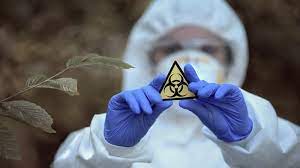
Bioterrorism is a planned and organized use of pathogenic strains of microorganisms such as bacteria, viruses or their toxins to spread life-threatening pathogens on a massive scale to devastate the population of the area. People have described the next hundred years as the ‘century of biology.’ Incredibly rapid and dramatic changes in genetic modifications in biomolecular engineering and strengthened bio-production technologies may, however, make it easier for terrorists to overcome the barriers that have hindered the procurement of bio agents in the past.
The danger of biological warfare has attracted the attention of Indian defense and medical experts for a long time. There have been a few episodes of suspicion in the past. During the Indo-Pakistan War of 1965, the epidemic of typhus scrub in north-eastern India was suspected. India’s military and intelligence teams were alert to the outbreak of pneumonic plague – well known in biological warfare – in Surat and Bubonic plague in Beed in 1994, which resulted in several casualties and substantial economic losses.
Bioterrorism agents are categorized as A, B and C.
Category A: High-priority agents include organisms that pose a threat to the nation because they can be easily disseminated or spread from person to person, result in high mortality rates, and are likely to have a significant impact on public health.They may cause mass fear and social disruption, and require special public health preparedness measures.
Agents/diseases include anthrax (Bacillus anthracis) and botulism (Clostridium botulinum toxin)
Category B: The second highest concern agents include those that are moderately easy to spread, result in moderate morbidity and low death rates, and require specific improvement of CDC diagnostic capabilities and enhanced disease surveillance.
Agents/diseases include brucellosis (Brucella species) and Clostridium perfringens epsilon toxin.
Category C: The third highest priority agents include emerging pathogens that could be designed for mass spread in the future based on the availability, ease of production and spread, and the potential for high morbidity and mortality rates and major health impacts.
Agents include emerging infectious diseases such as Nipah virus and Hanta virus etc.
The method of attack would depend on the type of agents used. In order to infect or affect a vast proportion, it is possible that the aerosol mechanism would be used in closed, enclosed areas where large numbers of people are assembled, e.g. department stores, cinemas. Contamination of food and water with toxins and pathogens may also be another measure.
Countermeasures :
In order to bolster the area of biodefense, the US Senate passed the Bioterrorism Act of 2002. As per this law, there is a key element of national preparedness to combat bioterrorism, with a focus on the safety of drugs, food and water from biological agents and toxins. However, we in India are still waiting for a bioterrorism law .
There is currently a gap in specific law and treaties to curb or prevent attacks on biological weapons. Launched in 2004 with a $1 million grant from the US-based Alfred P. Sloan Foundation, Interpol held its first ‘Interpol Global Conference on Bioterrorism Prevention’ at its headquarters on 1-2 March 2005.
Well, before any event, public health officials must incorporate surveillance systems so that they can recognize patterns of non-specific syndromes that could indicate early occurrences of a biological war attack. The system needs to be timely, sensitive, specific and practical.
In India, the Integrated Disease Surveillance Project (IDSP), a federated and state-based surveillance system, was launched in November 2004. It integrates the public sector, private industry, rural and urban health systems and incorporates communicable and non-communicable systems (unusual clinical syndromes may be included during public health emergencies).Incorporation of medical colleges and international health agencies (WHO, NIC, etc.). Its major components include the integration and decentralization of surveillance activities, the strengthening of health care laboratories, the human resource development and the use of information technology for data collection, collection, compilation, analysis and dissemination.
The main role of the hospital-based microbiology laboratory in the promotion of bio-threat, bio-crime or bio-terrorism is to cause alarm when a target agent is suspected in a human specimen. It should be organized to identify and respond to a covert event involving the collection, conservation, transport and evaluating of human specimens.
Prophylaxis in response to the incidence of bioterrorism means the administration of chemoprophylactic drugs to prevent the spread of the disease. The following things will be required for undertaking such exercises: medicines and vaccines to be provided; the population category for which chemoprophylaxis/immunoprophylaxis is to be administered; availability of the required quantity of drugs or vaccines; and outline of the mechanism of administration with health infrastructure.
The need of the hour is promoting awareness among the public and doctors; stocking up of drugs and vaccines; allotment of separate funds; preparedness: this is not a cause of panic – it is a cause of serious, intentional long-term concern; international cooperation; microbiologists are the main key elements of action because biological weapons are the products of their specialization.
Conclusion :
Bioterrorism differs from other types of terrorism (chemical, radiological, or nuclear). It impacts the nation’s public health care system heavily. To meet the challenge of bioterrorism, cooperation and coordinated efforts of different agencies, viz. the intelligence agency, the army, the BSF, SSB, law enforcement machinery, health departments most importantly, civil administration, etc. are required.